

The potential impacts of El Niño on South Africa’s food value chain warrant significant attention. With forecasts suggesting an increase in temperatures and the possibility of a heatwave, the risk of #foodchaos looms large. Stakeholders must prepare for the adverse effects that this climatic phenomenon may have on agricultural productivity and food security. As #ELNINO conditions develop, proactive measures will be essential to mitigate disruptions within the food supply system. The impending El Niño weather system is no longer just an abstract meteorological forecast. It is fast evolving into a profound economic puzzle for South Africa’s agricultural heartland, in particular, the Free State and North West maize and wheat belts. With long-term models warning of severe global disruptions, international wheat prices are already marching toward a projected $364 per tonne (currently at approximately $288 per metric ton). This initial spike raises concerns for local agribusinesses as to how far down the domestic value chain the structural impact will affect?
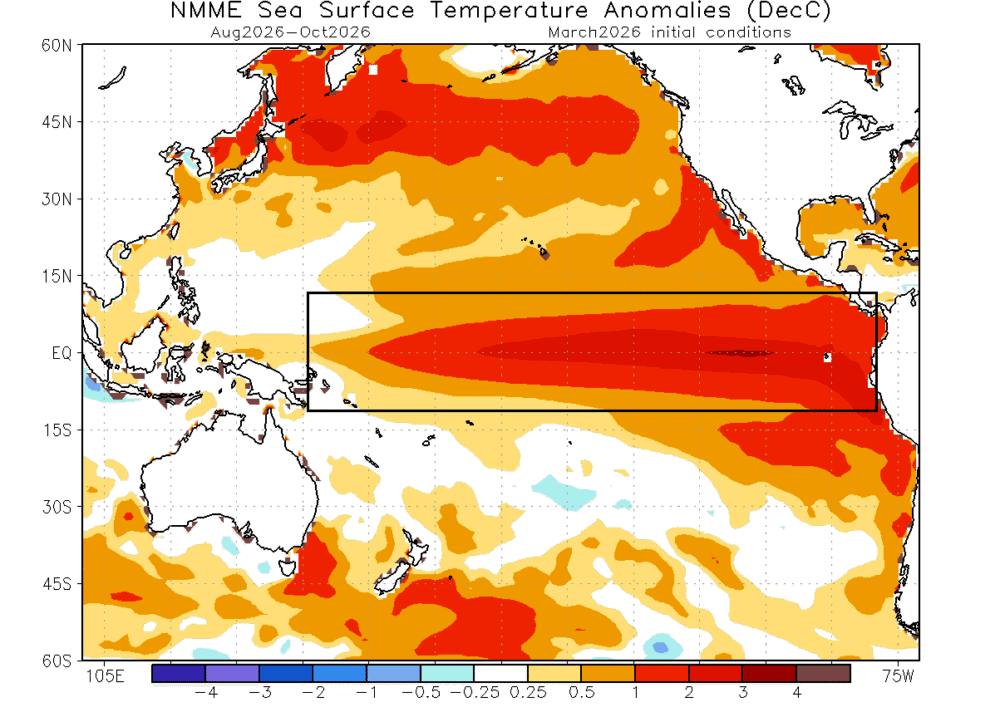
The true cruelty of El Niño lies in its chaotic, dual personality, a paradox that South African farmers know all too well. It does not simply bring a uniform climate shift; it delivers simultaneous extremes. What fields risk baking under a relentless summer drought, depleting critical water tables and starving rain-fed crops. Yet, the same system can unpredictably unleash sudden, violent flash floods. A modern South African farm is uniquely unequipped to handle such rapid shifts, which ruthlessly strip away fertile topsoil, wash away expensive fertilizers, and drown root systems. This leaves local producers trapped in a devastating guessing game, wondering whether their primary challenge tomorrow will be drilling deeper boreholes or watching their seasonal yields rot in waterlogged fields. How do modern farmers manage risk when the weather transitions instantly from a drought to a deluge, the likes of which we witnessed at the beginning of April this year?
This agricultural instability inevitably triggers a cascade of difficult choices for the hospitality and restaurant sectors across the country. As the cost of staple grains and livestock feed climbs, local kitchens face a severe margin squeeze, exacerbated by existing infrastructure pressures. This reality forces an uncomfortable strategic pivot. Should a restaurant aggressively raise its menu prices and risk alienating a South African consumer base that is already financially exhausted by high living costs? Or do operators quietly shrink their portions, alter historic recipes and hope the customer doesn’t notice the drop in value?
We may soon see a landscape where menus across the country become highly dynamic, adapting weekly to ingredient availability. If the cost of baking a standard loaf of bread or sourcing local beef fluctuates wildly by the month, the traditional, static restaurant menu might change considerably.
Ultimately, this climate threat challenges the consumer’s relationship with food. As dining out becomes an expensive luxury and grocery bills climb, we will likely see a sharp behavioural shift toward lower-cost convenience options and informal fast-food alternatives. This raises the ultimate question for the industry.
Will El Niño be a temporary operational hurdle for South Africa’s food sectors, or is it the catalyst that permanently alters consumer habits and forces a structural redesign of the global restaurant business?
And how long will it push changes in the industry?