

Cape Town is globally renowned for its breathtaking landscapes and world-class culinary scene, but for those willing to look a little closer, the city’s natural surroundings and even local gardens offer a hidden, nutritional bounty. The concept of “superfoods” – nutrient-dense foods packed with vitamins, minerals, and antioxidants – often conjures images of expensive, imported powders and exotic berries. However, the Western Cape’s unique Fynbos biome, coastal stretches, and fertile urban soils provide an abundance of wild, easily accessible superfoods right on our doorstep. Foraging is experiencing a major resurgence as a sustainable way to eat, with wild-foraged foods often containing higher concentrations of nutrients than commercially farmed crops because they must fight to survive in their natural environment.
Along the sandy coastal environments from Muizenberg to the West Coast, foragers can find Dune Spinach. This fleshy, succulent-like leaf is a nutritional powerhouse, exceptionally high in Vitamin C for immune support, as well as essential minerals like iron and calcium. It offers a slightly salty, crisp texture perfect for raw salads or quick stir-fries. Similarly, the ubiquitous Spekboom, a hardy succulent found in many Cape Town gardens and rocky mountain slopes, is a potent source of Vitamin C, containing significantly more than an orange. Highly hydrating and rich in magnesium and manganese, its zesty, lemony leaves are refreshing on a hike or blended into green smoothies.
Moving higher up the slopes of Table Mountain and the Cape Peninsula, foragers will encounter Wild Rosemary, locally known as Kapokbos. Celebrated in traditional Khoisan medicine, this aromatic shrub boasts powerful antispasmodic, anti-inflammatory, and diuretic properties, making it an excellent medicinal tea or a flavourful, herbal seasoning for roasted meats. Looking toward the cold, nutrient-rich waters of the Atlantic Ocean, the coastline is teeming with edible seaweeds, like Kelp and Sea Lettuce. Arguably, some of the most nutrient-dense foods on the planet, these seaweeds provide a massive dose of iodine for thyroid function, along with calcium, iron and a broad spectrum of vitamins.
Back in the urban environment, many common garden “weeds” are actually unrecognised superfoods. Often called a “free multivitamin,” dandelion greens are packed with vitamins A, C, and K, along with calcium and iron. They act as a potent liver tonic and natural detoxifier.
Another incredibly nutrient-dense weed is Stinging Nettle. Known for its high protein and mineral content, including iron and magnesium, it is a popular spring tonic that supports energy levels and immune function. Fortunately, the stinging effect disappears completely once cooked.
Lamb’s Quarters, a relative of quinoa, is often called “wild spinach” and contains more protein, calcium, and vitamin C than cultivated spinach. Chickweed, a mild-tasting green, is high in vitamins B and C, and is often used for skin health and digestive support.
The nutritional surprises in local gardens do not stop there. Let’s talk salad ingredients. Purslane, a creeping succulent weed, is an absolute standout as one of the highest plant-based sources of heart-healthy Omega-3 fatty acids, offering a crisp, slightly tart bite to summer salads. Nasturtiums, with their vibrant orange and yellow blooms cascading over Cape Town’s walls, are entirely edible; both the leaves and flowers provide a peppery, radish-like kick and are loaded with immune-boosting Vitamin C and lutein. Wood Sorrel, or Surings, with its cheerful yellow flowers, pops up everywhere during the Cape winter. Packed with Vitamin C and antioxidants, its distinctive sour taste makes a vibrant, tangy garnish.
For those seeking wild fruits and fungi, the Cape offers unique seasonal treats. The Natal Plum, affectionately known as the Num-num, is a thorny coastal bush that produces bright red, milky fruits. These tart, cranberry-like berries are exceptionally high in Vitamin C and pectin, making them perfect for raw snacking or boiling down into rich jams.
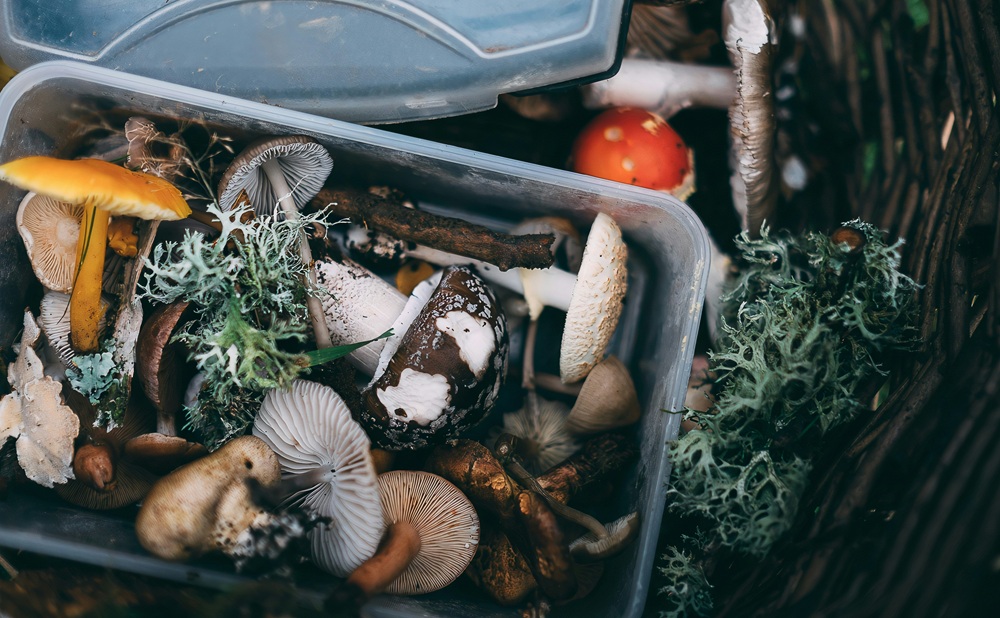
During the damp winter months, the pine forests around the city become a haven for foraging wild mushrooms, such as the prized Porcini and Pine Rings. While wild mushrooms offer incredible immune-boosting benefits and a rare natural source of Vitamin D, they provide earthy, umami flavours to winter stews and pastas.
While the Cape offers an incredible wild pantry, responsible and safe foraging is paramount. One must always be certain of a plant or mushroom’s identification before consuming it, as highly toxic lookalikes exist, particularly with fungi. Furthermore, it is vital to avoid foraging in polluted areas, near busy roads, or where pesticides are sprayed. Ethically, foragers should never take more than they need or uproot a whole plant, allowing the ecosystem to regenerate.
By exploring the wild superfoods of Cape Town safely and sustainably, residents can boost their nutrition while connecting deeply with the resilient environment of the Western Cape.