

Something fundamental has broken in the way we sustain ourselves, a quiet inversion where the craft of nourishment was hollowed out and replaced by the efficiency of the shortcut. We look around at a world plagued by chronic malaise and wonder where the path was lost, failing to realise that we traded the kitchen for the factory decades ago. We stopped cooking with the whole, traditional ingredients that defined human health for millennia and started buying a version of “done” that was never actually finished. This isn’t just a lifestyle change; it is a total surrender of the primary tool we have for survival, leaving the modern consumer as a ghost in a machine designed to prioritise shelf-life and capital investment over human life.
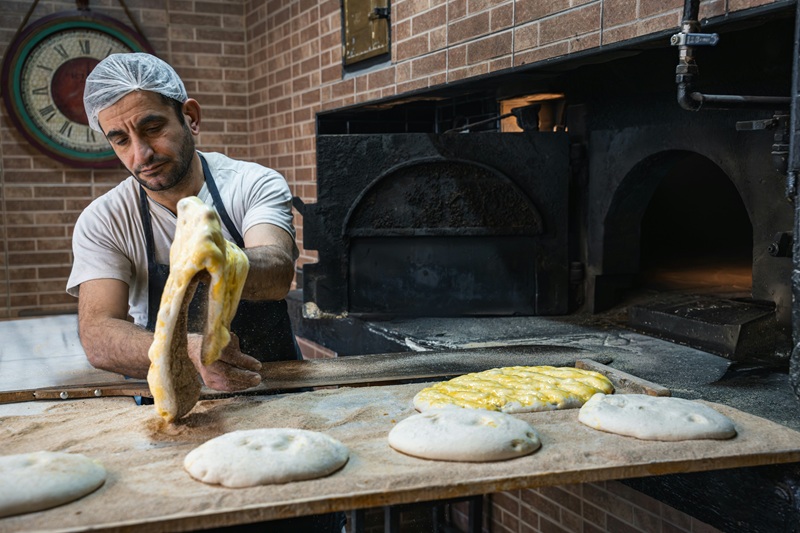
To understand how we arrived here, one must look behind the “gilded apron” of the modern culinary establishment to a history that has been systematically obscured. For centuries, the practitioner of the kitchen was a gastronomist – not in the modern sense of a critic or an academic, but as a master of the biological alchemy of food. The turning point can be traced back to 1617, when King James I formally split the Grocer from the Apothecary. In that moment, food and medicine were divorced and sent to live in two separate houses. Before this schism, the pantry was the apothecary; the ferments, the bitters, and the whole botanicals were the primary defence against illness. By 1840, the title of gastronomist was stripped from the makers and handed to the theorists, further distancing the act of eating from the act of healing.
This separation was no accident of history, but a foundational pillar for a much larger, self-sustaining architecture of profit. By isolating nourishment from medicine, the powers that be created a vacuum that could only be filled by industrial intervention. We have been systematically conditioned to accept a cocktail of fluorides, stabilisers, and synthetic preservatives as the standard for “safety” and “convenience,” yet these elements serve a darker utility. By saturating our diet with industrial additives that numb the cognitive edges and dull the senses, the system ensures a population that is just unwell enough to remain dependent. It is a perfect, predatory feedback loop: the commercial food industry provides the slow-acting toxins that keep the body in a state of low-grade inflammation and mental fog, which in turn props up the medical industry and Big Pharma to manage the symptoms of a crisis they helped curate. We are not just eating for convenience; we are being harvested by a tripartite complex that views a truly healthy, clear-headed individual as a threat to the bottom line.
Once food was no longer viewed as medicine, the industry was free to chase the “bliss point” – a laboratory-calculated intersection of salt, sugar, and fat designed to hijack the human nervous system. To make this new, hyper-palatable inventory profitable, it had to be made shelf-stable. But the biological cost was ignored, and industry pushed forward with product that are stable on a shelf but turn into poison in the gut. The preservatives and stabilisers required to keep industrial food from spoiling do not cease their activity once they are swallowed. They enter the delicate ecosystem of the microbiome and wreak havoc, leading to dysbiosis. This internal imbalance is the silent precursor to nearly every modern disease, yet we continue to treat the symptoms while ignoring the industrial rot at the root.
The tragedy of the modern kitchen is that the craft has been hollowed out from the inside. Many who hold the title of chef today are merely technicians of the industrial supply chain, reassembling pre-processed components rather than engaging in the ancient martial art of cookery. True cooking is the primary line of defence for the human body. It is a protective discipline that requires a deep understanding of nutrients and heirloom ingredients. When the pressures of the modern world demanded a compromise on this integrity, many of the true artisans simply walked away. They recognised that if you are not feeding the body right, you are not a chef; you are merely a caterer to a slow-motion crisis.
The rational outcome to this systemic failure is not a new technological innovation or a lab-grown alternative, but a radical de-industrialisation of the body and the home. We must put the pressure back on those who call themselves chefs to return to the apothecary of the pantry. It means demanding heirloom varieties that haven’t been stripped of their vitality and rejecting the industrial shortcuts that have made us weak. Reclaiming our health requires us to move back into the kitchen with the intention of a practitioner rather than a consumer. It might take years to reverse the damage of the last two centuries, but the path back to sanity starts with the realisation that we can still fix this. We just have to remember that the most revolutionary act we can perform is to feed ourselves again with healthy, artisanal-produced products.