

There is a peculiar economic disconnect happening in the Mother City, and it involves the costs of food in South Africa.
When comparing local food pricing to pricing overseas, the food costs in retail outlets such as Carrefour, S&M and other food shop are very similar in price to what we pay, rand for Dollar/Euro. Yet there is a disturbing reality when it comes to food price increases, which have been rising steadily over the past few years. The annual increases in food costs vary from around 6-8% for staples, and up to 20-30% for top end goods. If you take into account our interest rate hikes compared to overseas interest rates, we’ll soon find that the cost of basic foodstuffs in South Africa are exceeding that of international outlets, while the cost of eating out remains are 25-30% the cost of eating out overseas, and the best of our foods are exported.
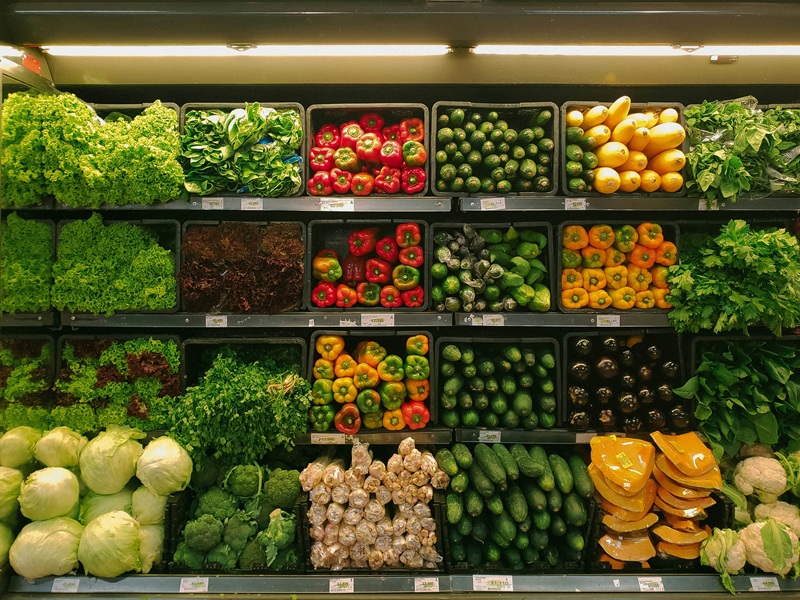
Walk into a Woolworths or Checkers, and the sticker shock is visceral. A modest basket of essentials—fresh produce, a decent cut of meat, dairy, and pantry staples—can easily breach the R1,000 mark. Yet, that same evening, you can sit down at a trendy eatery on Bree Street or the V&A Waterfront and order a professionally prepared main course for R160 to R220.
When you factor in labour, rent, electricity, and the profit margin required to run a restaurant, the math simply doesn’t add up. Why is the raw material cost for home cooking skyrocketing while dining out remains, by global standards and relative to grocery inflation, surprisingly accessible?
The soaring cost of retail food is a multi-headed hydra. South Africa is a net exporter of high-quality food. Our best fruit, wine and meats are desired globally, local prices are often pegged to export parity. If a farmer can sell avocados to Europe for Euros, the local retailer has to match that price to keep the product in Cape Town.
Furthermore, the “load shedding tax” is built into every item on the shelf. From the farm irrigation systems to the cold storage logistics and the retail store’s lights, diesel generators are powering the food chain. These costs are passed directly to the consumer at the till.
So, why aren’t restaurants charging R400 for a burger?
So, why aren’t restaurants charging R400 for a burger?
The primary reason is fierce competition. Cape Town is the culinary capital of Africa. The density of high-quality restaurants is staggering. Restaurateurs are terrified of the price ceiling; they know the local market is price-sensitive and if they raise their prices to reflect the true cost of inflation, they risk an empty dining room. As a result, many restaurants are engaging in a dangerous game of “margin compression”—absorbing the rising costs of food and fuel rather than passing them on to the customer, hoping that volume will save them.
Behind the glamour of the pass, the industry is bleeding. The parallel is uneven because restaurants are artificially suppressing prices. They are fighting a war on three fronts:
- Food Costs: Wholesale prices have risen by 15-20% on key proteins and oils in the last year.
- The Energy Crisis: Running an industrial kitchen and extraction fans on a generator burns through profit margins faster than a gas flame. Electricity prices increase annually by 10-12%, immediately adding to the bottom line.
- Rent and Labor: Cape Town commercial real estate is premium, and labour costs are rising.
To keep a main meal under R200 in 2026 requires a level of wizardry that borders on unsustainable. Many establishments are surviving on razor-thin margins, essentially subsidising the diner’s night out.
The economic divergence cannot last forever. We are approaching a correction point. We cannot maintain the cost of labour as it is, as the increase in food prices reduces the average restaurant worker’s wages by a significant margin. Something has to give, but what?
Prediction 1: The end of the “affordable” middle ground.
We will likely see a bifurcation of the market. Fine dining will become significantly more expensive, reflecting true costs, and we’re now seeing main courses normalising around R350-R550, which may still rise in the near futuure. Conversely, the “middle class” of restaurants will pivot toward fast-casual models—smaller menus, counter service, and less labour-intensive dishes to keep prices down.
Prediction 2: Menu simplification:
To combat food waste and high ingredient costs, menus will shrink. Chefs will focus on seasonal, locally available produce that doesn’t track international export prices. Food usage will be optimised to minimise waste and to make use of every aspect of the food, adopting a ‘nose-to-tail’ approach on all foodstuffs. The days of huge, varied menus are numbered.
Prediction 3: Closures:
Sadly, restaurants that refuse to raise prices out of fear will likely fold. The mathematics of buying expensive groceries to sell cheap meals is a formula for insolvency.
For now, Cape Town diners are living in a golden hour of value, enjoying world-class food at prices that defy the grocery store reality. But as any chef will tell you, if the ingredients cost more than the dish, the kitchen eventually closes.
Enjoy the “cheap” night out while you can—because the correction is coming.